Expert Seattle Siding Services for Siding Installation and Replacement
Superior Exterior Covering Services for Your Home Refresh
Starting a home renovation often involves its outer appearance. Top-notch siding services offer an important role in boosting both visual appeal and practicality. Those owning homes encounter a range of options, from vinyl to fiber cement. Each option brings unique benefits and issues. Understanding these details is key to making an well-informed decision. The impact of siding choice extends beyond aesthetics. What factors should be considered to ensure durability value and performance?
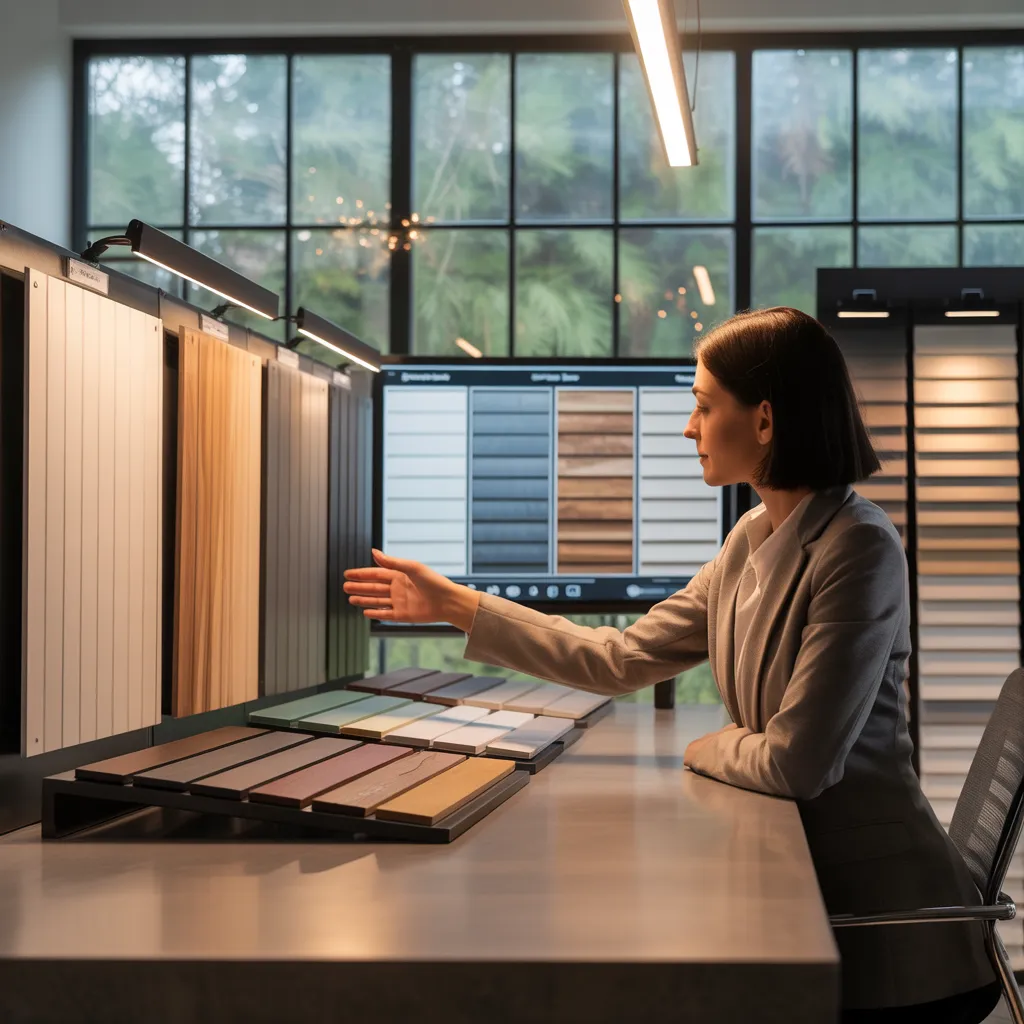
Experienced Siding Matters for Your House
Why is quality siding important for a home? The standard of siding directly impacts a home's aesthetic appeal, energy efficiency, and building strength. Expert installation guarantees that the siding is installed properly, reducing the risk of leaks, mildew development, and insect problems. Additionally, expert siding services often come with guarantees that safeguard the homeowner's property, providing peace of mind against potential damage.
Additionally, experts come equipped with the knowledge to handle different materials and local building codes, making sure of compliance and durability. Proper siding can additionally enhance a home’s market value, making it more attractive to prospective buyers. In contrast, DIY installations may lead to costly errors and inferior results. Therefore, investing in professional siding is essential for maintaining a home’s beauty and functionality, which ultimately contributes to a safer and more comfortable living environment.
Discover Various Siding Types: What Option Is Perfect for Your Requirements?
When reviewing siding choices, homeowners face a range of materials, each presenting unique advantages. Vinyl siding is noted for its affordability and low maintenance, while wood siding provides classic aesthetics that enhance curb appeal. Meanwhile, fiber cement excels for its exceptional durability and resistance to detailed resource the elements, making it a wise choice for many.
Vinyl Siding Pluses
excellent option for home revamps.
Wood Siding Visual Appeal
While vinyl siding supplies ease of maintenance, wood siding entrances with its natural beauty and perpetual elegance. The abundant richness and inviting character of wood craft an inviting atmosphere, elevating a home's curb appeal. Available in various species, like cedar, pine, and redwood, wood siding grants homeowners to adjust their design inclinations. Its range can match different architectural styles, from traditional homes to contemporary styles. Furthermore, wood siding can be painted or stained to achieve the desired look, encouraging further individuation. However, the unique grain patterns and natural variations in color offer a singular essence that synthetic materials often miss. In conclusion, wood siding proves to be a popular choice for those desiring an elegant, organic appearance for their homes.
Fiber Cement Strength
Fiber cement siding is renowned for its exceptional durability, making it a excellent candidate in the market of home exteriors. Created from a mixture of cement, sand, and cellulose fibers, this material resists rot, warping, and insect damage. Unlike wood, fiber cement does not succumb to moisture-related challenges, ensuring durable performance even in harsh climates. Its resistance to color fading and cracking also adds to its longevity, needing minimal maintenance over the years. Furthermore, it can be painted in different colors, allowing homeowners to adjust aesthetics without compromising durability. This combination of strength and versatility makes fiber cement siding a superb choice for those wanting both form and function in their home improvement projects.
How Siding Strengthens Energy Efficiency and Ease
Siding acts as an important factor in enhancing a home's energy efficiency and comfort. Its thermal properties can markedly reduce heat loss, while state-of-the-art air infiltration control techniques help establish a steady indoor environment. As a result, homeowners can enjoy decreased energy bills and heightened overall comfort.
Energy-Efficient Properties of Siding
A well-insulated home can greatly boost both energy efficiency and comfort. Siding plays a vital role in ensuring this by offering an added layer of insulation. Various siding materials, such as insulated vinyl or fiber cement, are engineered to reduce heat transfer, helping homes stay warmer in winter and cooler in summer. This thermal barrier minimizes the effort required from heating and cooling systems, resulting in lower energy bills. Additionally, the insulation properties of siding support a more balanced indoor climate, which improves overall comfort. By opting for high-quality siding with exceptional insulation, homeowners can enjoy a more energy-efficient residence while also getting benefits from noise reduction and durability improvements. These factors make siding a valuable investment in home improvement.
Air Leakage Prevention Techniques minimize air leakage with reliable approaches
Stopping air seepage is important for boosting energy efficiency and comfort inside a house. Correct siding installation serves a critical function in this undertaking. Premium siding options, such as fiber cement or vinyl, frequently offer interlocking designs that reduce gaps, limiting the likelihood for air infiltration. Furthermore, applying strong sealing approaches, like caulking and weather stripping, improves the protection against unwanted drafts. Insulation positioned behind the siding also benefits substantially by keeping a consistent indoor temperature. Ongoing care, including checks for cracks and wear, assures that the siding remains effective at its best. By tackling air leakage through smart siding options and careful installation, homeowners can realize noteworthy energy savings and better indoor comfort throughout the year.
What Should You Assess When Choosing Eco-Friendly Siding?
When assessing sustainable exterior materials, property owners often question which vital features deserve priority. Insulation value is fundamental; siding featuring a high R-value demonstrates improved heat retention, which assists in keeping internal climate stable. Homeowners should additionally seek out materials resistant to moisture and mold, since these can compromise thermal performance over time.
An significant aspect is the siding's capacity to minimize air infiltration. Materials with tight seams and interlocking panels can lessen drafts. Additionally, mirror-like surfaces that bounce sunlight can help keep homes cooler in the summer.
To conclude, sustainable materials that bolster sustainability can be valuable. Options like fiber cement or engineered wood offer durability while also elevate energy efficiency. By taking into account these elements, homeowners can make well-informed decisions that attain lower energy expenses and a more comfortable living environment.
Vital Criteria for Choosing the Right Siding Material
Finding the suitable siding material involves various essential factors that surpass thermal considerations. Property owners must highlight strength, as materials like vinyl or fiber cement can withstand challenging conditions. Visual charm is vital; the siding should enhance the home's architectural style while respecting personal choices. Maintenance needs vary markedly among materials; wood may require regular painting or staining, whereas vinyl typically demands minimal upkeep.
Pricing constitutes another key factor, spanning both upfront expenditure and sustained costs. Green solutions, such as reclaimed wood or recycled materials, may appeal to ecologically conscious homeowners. Besides, regional climate patterns should govern your decision, with certain materials operating better in unique environments. To summarize, homeowners should reflect on the supply of siding varieties available in their region, as this will determine both selection and installation processes. Exercising careful judgment will guarantee that the chosen siding improves both the home's market value and curb appeal.
Why Quality installation Makes a Difference for Siding Longevity
Suitable assembly is important for maintaining the longevity of siding materials. When siding is placed accurately, it creates a robust protection against natural elements, reducing the risk of damage from moisture, wind, and pests. Poor placement or defective sealing during installation can create gaps that allow water intrusion, ultimately resulting in mold growth and structural damage.
Moreover, adherence to manufacturer guidelines during setup is essential. Each siding material has specific specifications that, when adhered to, enhance longevity and functionality. For example, incorrect fastening methods or inadequate insulation can undermine the integrity of the siding, leading to premature deterioration.
Additionally, professional installation often includes quality assurance and warranties, offering homeowners with assurance. Opting for a competent installation service not only guarantees aesthetic appeal but also shields the investment in siding, boosting its lifespan and effectiveness. Proper installation, consequently, is an vital component in maintaining the security and value of a home.
Strategies for Upkeeping Your Siding for Permanent Appearance and Security
Maintaining siding requires consistent care to ensure its beauty and protective qualities persist over time. Homeowners should start with regular checks to identify any indicators of damage, such as fractures or warping. Cleaning the siding every six months is essential; using a mild soap and delicate bristles can prevent the accumulation of grime and mildew. Additionally, checking the caulking around windows and doors helps to stop moisture intrusion, which can cause more significant problems.
It is also advisable to repaint or stain wood siding every few years to maintain its integrity and appearance. For vinyl siding, a simple wash with a garden hose is often sufficient. Homeowners should be mindful of overhanging trees that can harm or dent siding and trim them back as needed. By implementing these care suggestions, homeowners can ensure their siding remains functional and attractive for years to come.
Regularly Posed Questions Regarding Our Services
In What Techniques Can I Identify Symptoms of Damaged Siding?
When determining apparent siding problems, inspect for splits, deformation, paint chipping, mildew development, and openings between panels. Also, watch for condensation inside your home, which might disclose issues affecting the siding structure.
What Is the Average Lifespan of Various Siding Materials?
The standard longevity of siding materials differs: wood lasts 20-40 years, vinyl 20-30 years, fiber cement 25-50 years, and aluminum about 30 years. Considerations like climate and maintenance can greatly affect these periods.
Do I Require a Permit for Siding Installation?
Whether a permit is required for installing siding depends on local regulations. Generally, homeowners should consult their local building authority to verify adherence with any necessary permits and to prevent possible fines or project delays.
Should I Put New Siding Over Current Siding?
Yes, new siding can often be placed over present siding, as long as the underlying structure is structurally sound and meets local construction requirements. However, careful assessment and feasible water barriers should be considered to ensure lasting performance.
In What Ways Does Siding Influence My Home's Sale Price?
Siding greatly influences a home's resale value by enhancing curb appeal and energy conservation. Quality materials and professional installation can draw potential purchasers, potentially increasing offers and reducing time on the market, ultimately yielding a greater profit.